
Nou Pale Kreyòl

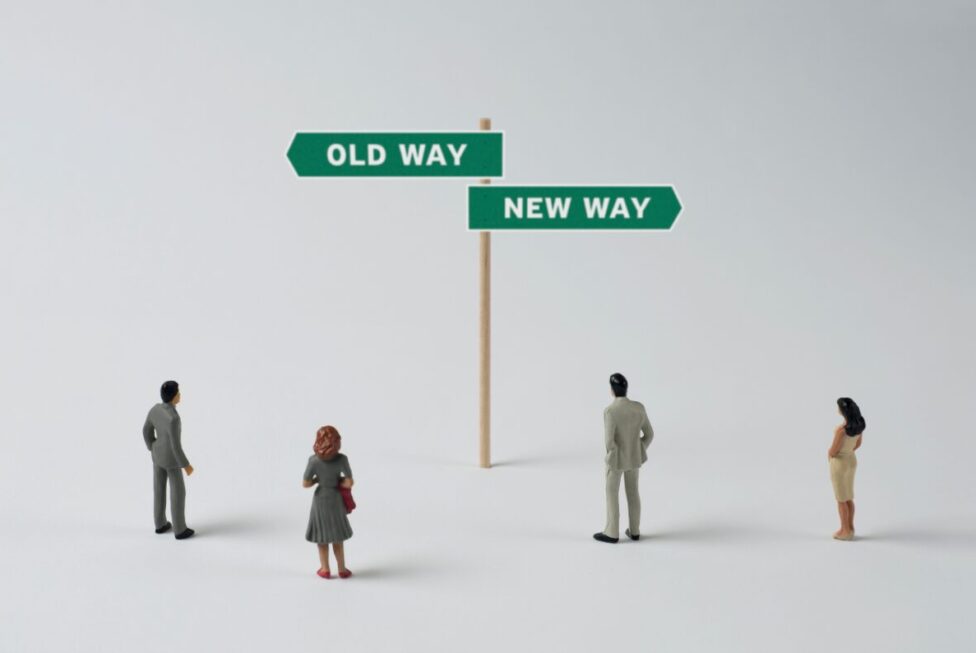
: Person standing at a crossroads or path, representing life transitions and the search for purpose.

Searching for a “why” is hard enough when life is stable. When things change, that search can feel impossible. Life transitions and purpose are linked. When one shifts, the other often feels at risk.

You may have felt it before. One chapter ends, and the next hasn’t started yet. You feel suspended in the middle. This is more than a busy schedule; it is a fundamental shift in how you move through the world.

What Are Life Transitions?

They are periods of change that interrupt your normal way of living.

Some are expected:   

  • Starting a new role
  •       Graduating
  •       Becoming a parent

Others are not:

  •       Losing a job
  •       Ending a relationship
  •       Health-related changes

Even positive changes can feel difficult. Psychologist William Bridges noted in his Transition Model that transition is not just the external change. It is the internal process of adapting to that change. It is the psychological reorientation required to make sense of your new reality.

Why Life Transitions Can Feel Overwhelming

There is a reason major life changes stress people, even when the outcome is good.

Research from the American Psychological Association shows that any significant life change requires adjustment. This activates the body’s stress response, the system that prepares you to deal with challenge or threat.

The well-known Holmes-Rahe Stress Inventory found that major life events are linked to increased risk of stress-related illness.

What makes transitions overwhelming is not just the event.

It’s what comes with it:

  •       Disrupted routines
  •       Increased uncertainty
  •       Reduced sense of control

That combination creates transition stress. You are not just adjusting to something new. You are adjusting without a clear roadmap.

How Life Transitions Affect Identity and Purpose

Identity changes during transitions are not a problem to fix. They are part of how people adapt.

When your situation changes, your role often changes with it. And when your role changes, your sense of self can feel less clear.

This is where purpose starts to feel unstable.

William Bridges’ Transition Model helps explain why this happens. It breaks change into three stages:

  •       Ending – letting go of what was familiar
  •       Neutral zone – the in-between phase where things feel unclear
  •       New beginning – building a new sense of direction

Most people don’t struggle with the ending. They struggle with the middle. The neutral zone can feel disorienting. The old structure is gone, and the new one is not fully formed. Decisions take more effort. Clarity feels delayed.

This is where emotional adjustment tends to slow down. It is not because you are doing something wrong but because your brain is still trying to make sense of what changed.

At the same time, identity disruption can start to surface. The way you used to define yourself no longer fits as well. And the next version of you is still taking shape.

Research supports this pattern of identity disruption. A study in the British Journal of Social Psychology by Nyla Iyer and colleagues examined how people adjust when entering new environments. Examples include starting university or moving into a new professional role.

The researchers found that well-being during transitions depended heavily on whether individuals developed a new sense of social identity.

In fact, identification with a new group completely mediated the relationship between the transition itself and later well-being. This means adjustment improves when people begin to see themselves as belonging in their new role or community.

This finding helps explain why identity changes during transitions can temporarily affect meaning and direction. Emotional stability does not return simply because time passes. It improves as people begin rebuilding their identities in their new circumstances.

Coping with life transitions does not mean discovering a new life mission overnight. It means recognizing that identity shifts take time to settle.

Common Emotional Reactions During Transitions

During periods of emotional adjustment, the experience is rarely simple.

You may notice:

  •       Anxiety about what comes next
  •       Difficulty focusing
  •       Irritability
  •       Low motivation
  •       A sense of disconnection

Some people also feel a subtle sense of loss, even when the change is positive.

That’s because transitions often involve letting go of a previous version of your life. This is part of adaptation. And adaptation takes time.

Why Some Transitions Feel Harder Than Others

Not all transitions feel the same. Some feel manageable. Others feel overwhelmed.

The difference often comes down to:

  •       Timing (multiple changes increase pressure)
  •       Available support
  •       Your current mental and physical energy
  •       Past experiences with change

Stress builds more from cumulative changes than from a single event. Coping with life transitions often feels harder when several areas of life shift at once.

The Psychology Behind Transition Stress

There are three main reasons transitions feel difficult.

Loss of control

Change reduces predictability.

You may not know what is coming next. Even simple decisions can feel heavier. This sense of lost control often increases stress.

Uncertainty and unpredictability

According to Richard Lazarus and Susan Folkman’s Transactional Model of Stress and Coping, stress is shaped by how you interpret a situation.

If something feels uncertain or overwhelming, your brain treats it as a threat. This activates your stress response, even in the absence of immediate danger.

Identity disruption

William Bridges’ Transition Model explains that change happens in three phases:

  •       Ending
  •       Neutral zone
  •       New beginning

The “neutral zone” is often the hardest, where identity disruption happens.

You are no longer in your old role. But you are not fully settled into the new one. That in-between space can feel uncomfortable.

Small Ways to Build Stability During Transitions

You do not have to have all the answers right now. You need enough stability to keep moving.

  •       Maintain one consistent routine: Wake up at the same time or have the same morning coffee to signal safety to your brain.
  •       Focus on one decision at a time: Don’t try to solve the next five years today.
  •       Limit major decisions during high-stress periods: Avoid making other big life changes while you are already in a major shift.
  •       Stay connected to at least one supportive person: Isolation makes the weight of change feel much heavier.

Building Stability During Times of Change

Reconnecting life transitions and purpose isn’t a sprint. It is a process of re-calibration. You are likely moving through what William Bridges calls the “neutral zone,” the uncomfortable, foggy phase where your old life has ended but the new one hasn’t started.

During this period, stability does not come from having all the answers. It comes from what stays consistent.

When life gets hard or changes quickly, you don’t need to figure out your whole future right away. Instead, focus on small, simple habits and staying close to people you care about.

Do the same basic things every day, like waking up or eating at the same time. This makes it easier for your brain to handle stress.

These small steps are like “anchors” that keep you steady. You aren’t trying to fix the next ten years; you’re just trying to get through the next ten hours.

As you keep doing these small things, life starts to feel less confusing. You’ll realize you can handle the tough times, and eventually, you’ll start feeling like yourself again.

Final Thoughts

A transition is a period of “becoming.” It is uncomfortable, but it is also where new growth happens. By focusing on small, consistent actions, you can reconnect with your sense of direction.

FAQs About Life Transitions

Why do life transitions feel so stressful?

They break your daily habits, make the future uncertain, and stress out your body. Even good changes take time to get used to.

How long does it take to adjust to change?

There is no set time. It depends on how big the change is and how much help you have.

Are life transitions always difficult?

Not always, but they always take effort. Even good changes mean you have to adjust and let go of the way things used to be.

Related Articles

If you found this article helpful, you may also want to explore related resources such as:

Professional Support

Our practice provides therapy for individuals navigating major life changes such as career shifts, relocation, or personal transitions. Therapy offers a supportive space to process change, build resilience, and regain stability. It can also help you reconnect with a sense of direction when change affects your sense of purpose. Learn more about our Life Transitions Therapy and Anxiety & Stress Management Therapy services.

If you are navigating a significant life transition and would like support, we invite you to call our office or use our online contact form to get started. Our practice provides therapy services for individuals in Brandon, Florida, and throughout Florida, including in-person and telehealth appointments.